Enhance Your Space with Quality Flooring Near Me for Every Style

Understanding Flooring Options
Different Types of Flooring Explained
Choosing the right flooring can significantly impact the aesthetic appeal and functionality of your space. Various flooring options include hardwood, laminate, tile, carpet, and luxury vinyl flooring. Each type offers unique characteristics, styles, and suitability for different environments.
Hardwood flooring is renowned for its classic beauty and durability, ideal for living areas or bedrooms. Laminate flooring, a budget-friendly alternative, mimics the appearance of real wood without the associated costs, making it popular in high-traffic areas. Tile stands out for its water resistance, making it perfect for kitchens and bathrooms. Carpet adds warmth and comfort underfoot and is often chosen for bedrooms or playrooms. Luxury vinyl flooring has recently gained traction due to its versatility, allowing homeowners to achieve the look of wood or stone with added durability.
Choosing the Right Material for Your Space
When selecting flooring, consider factors such as foot traffic, exposure to moisture, and your overall design vision. For instance, high-traffic areas benefit from durable flooring, like tile or luxury vinyl, whereas quieter spaces like bedrooms may be better suited to softer materials, such as carpet or hardwood. Additionally, think about your lifestyle—families with children or pets may lean towards stain-resistant and easy-to-clean options, while individuals focusing on luxury may opt for high-end hardwood or natural stones.
Benefits of Luxury Vinyl Flooring
Luxury vinyl flooring has carved a niche in the flooring market for several reasons. One of its primary benefits is versatility; it comes in a myriad of styles and finishes, including planks that can simulate wood grain or luxurious stone tiles. Furthermore, it is relatively easy to install, making it a practical DIY choice. It is also water-resistant, making it suitable for bathrooms and kitchens. The ease of maintenance is another plus, as regular sweeping and occasional mopping are usually sufficient to keep it looking new.
Why Flooring Near Me Matters
Local Trends in Flooring Styles
Flooring trends can greatly differ by region due to local tastes, climate, and design influences. In urban areas, you might find an inclination towards sleek, modern designs such as gray luxury vinyl flooring, while rural locations may favor warm-toned hardwoods. Understanding local preferences can guide your selection process, ensuring that your flooring enhances your home’s aesthetic while remaining relevant to your environment.
Support Local Businesses for Flooring Solutions
Choosing local flooring providers not only supports your community but also often leads to personalized service that online retailers may lack. Local businesses usually have a better grasp of regional styles and can offer more tailored advice for your project. Working with local experts can improve the overall experience, from selection to installation, ensuring that you receive high-quality materials and service.
Convenience of Choosing Nearby Flooring Providers
Access to nearby flooring stores matters for both convenience and rapid service. Being able to visit a store allows you to see, touch, and compare flooring options first-hand, significantly aiding in the decision-making process. Additionally, local providers can often deliver faster and offer timely installation services, minimizing disruption to your home during the renovation process. Take advantage of convenience while looking for flooring near me.
Installation Process and Best Practices
Preparing Your Space for New Flooring
The preparation phase is crucial to ensure that your flooring installation goes off without a hitch. Start by decluttering the area and moving any furniture or obstacles. Next, inspect the subfloor for any uneven areas or damage; you want a solid foundation to avoid complications later. Additionally, climate control is important—ensuring that the space is at the appropriate temperature and humidity before installation can prevent future issues with your flooring.
Steps for Professional Vinyl Flooring Installation
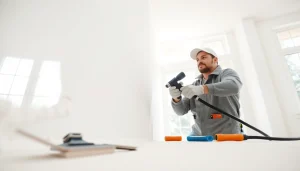
Professional installation of vinyl flooring typically follows several key steps. First, the installer will take precise measurements to ensure accurate cutting of the vinyl. Next, they may lay down an underlayment for comfort and insulation, followed by cutting the vinyl to fit your space. Using adhesive or interlocking systems, the installer will secure the flooring in place, paying careful attention to seams and edges. Finally, they will ensure that the edges are trimmed and finished for a polished appearance.
Common Mistakes to Avoid During Installation
DIY flooring installation can be rewarding, but it’s easy to make mistakes. One common error is neglecting to acclimate the flooring to the room’s temperature and humidity—this can lead to expansion or contraction post-installation. Additionally, failing to properly measure the space can result in cutting errors or an inadequate amount of material. Finally, improper cleaning of the subfloor can lead to issues; make sure it’s clean and dry before laying down any new floors.
Maintaining Your Flooring for Longevity
Cleaning Tips for Luxury Vinyl
Maintaining your luxury vinyl flooring is essential for its longevity and appearance. Regularly sweep or vacuum to remove dirt and debris, which can scratch the surface over time. For deeper cleaning, use a damp mop with a gentle, non-abrasive cleaner specifically formulated for vinyl flooring. Avoid harsh chemicals or abrasive scrubbers, which can lead to damage. A little routine care goes a long way in keeping your floors looking pristine.
Protecting Your Investment: Flooring Care
To protect your flooring investment, consider adding rugs or mats in high-traffic areas to minimize wear. You should also ensure that furniture legs have protective pads to prevent indentations. Additionally, be mindful of humidity levels in your home; excessive moisture can lead to warping or mold growth. Regular maintenance and careful consideration of your floor’s environment are key to its longevity.
Signs It’s Time to Replace Your Flooring
Even the best flooring may need replacing over time. Look out for signs such as significant scratching, discoloration, or warping. If you notice persistent odors or moisture stains that seem to worsen, these could be signs of underlying issues, indicating it’s time for a change. Additionally, outdated styles may detract from your home’s overall aesthetics, prompting you to consider an upgrade.
Exploring Flooring Design Trends
Popular Color Schemes for Modern Interiors
Current design trends often embrace hues that promote calm and sophistication. Neutral color palettes, including grays, beiges, and whites, are incredibly popular, as they provide a clean slate for various design choices. Additionally, homeowners may experiment with darker colors like charcoals or deep browns for a modern, moody aesthetic. Making informed choices about color can play a significant role in the overall ambiance of your space.
Integrating Flooring with Home Decor
Integrating flooring with your home decor involves balancing color, texture, and style. The right flooring can seamlessly complement furniture and wall colors, enhancing your home’s overall look. Consider how your chosen flooring interacts with other elements—wood floors may pair well with a rustic decor style, while sleek, modern options can fit a contemporary aesthetic. Mixing textures and colors thoughtfully can lead to striking, cohesive spaces.
Certain Flooring Styles for Different Rooms
Each room in your home may benefit from a specific flooring style. For instance, luxury vinyl is a fantastic choice for kitchens and bathrooms due to its water and stain resistance. Bedrooms, conversely, might be more suited to softer materials like carpet or plush area rugs to evoke comfort. Living spaces often work well with hardwood or laminate, offering warmth and durability for gathering areas. Tailoring your flooring choices to the function of each room can enhance both utility and design.
FAQs
What is luxury vinyl flooring made of?
Luxury vinyl flooring is typically made from several layers; the top layer is a wear layer, followed by a decorative layer that mimics wood or stone, a core layer of PVC, and sometimes an attached underlayment for comfort.
How long does luxury vinyl flooring last?
With proper care and maintenance, luxury vinyl flooring can last anywhere from 10 to 25 years, depending on the quality of the product and installation.
Can I install luxury vinyl flooring over existing floors?
Yes, luxury vinyl flooring can usually be installed over existing, hard surfaces such as tile or concrete, provided they are clean, stable, and level. Always consult product guidelines for specifics.
How do I maintain luxury vinyl flooring?
Maintenance for luxury vinyl flooring includes regular sweeping or vacuuming, damp mopping with a gentle cleaner, and avoiding abrasive tools that can scratch the surface.
Is luxury vinyl flooring waterproof?
Luxury vinyl flooring is water-resistant and is an excellent choice for areas exposed to moisture, like kitchens and bathrooms, but it’s important to address spills promptly to prevent water damage.