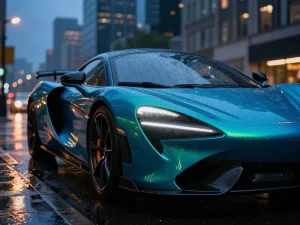
Enhance Your Vehicle’s Longevity with PPF Winter Road Salt Protection

Understanding PPF Winter Road Salt Protection
As winter approaches, so do the challenges posed by icy roads and the application of road salt for traction. This can lead to significant wear and tear on your vehicle’s exterior, emphasizing the importance of protective measures. One effective solution is PPF winter road salt protection, which can dramatically extend the life of your vehicle’s finish. This article delves deep into PPF, its benefits, and essential installation guidelines to safeguard your vehicle during hazardous winter conditions.
What is PPF?
PPF, or Paint Protection Film, is a thermoplastic urethane film designed to absorb the impact of road debris, UV rays, and other environmental hazards. It is a clear coating that adheres directly to your vehicle’s surface, providing an invisible shield without altering the car’s aesthetic appeal. PPF is known for its durability and is often employed by automotive enthusiasts and everyday drivers alike to preserve their vehicles’ showrooms finishes long-term.
Benefits of PPF for Winter Conditions
During winter, vehicles are often subjected to extreme weather conditions. Here are several notable advantages of PPF:
- Protection from Chemical Damage: Road salt is highly corrosive and can lead to paint degradation. PPF acts as a barrier, preventing these chemicals from reaching the car’s paint.
- Scratch and Chip Resistance: PPF significantly reduces the chances of scratches and chips from flying debris and ice, protecting your vehicle’s exterior.
- UV Protection: In addition to physical protection, PPF also protects against UV rays that can cause paint fading, ensuring that the vehicle’s look endures through the seasons.
- Self-Healing Properties: Many modern PPF products have self-healing capabilities. Minor scratches disappear with heat, keeping your car looking pristine even amidst winter challenges.
- Ease of Cleaning: Surfaces coated with PPF are more straightforward to clean, which can be a significant advantage during and after harsh weather.
How Salt Affects Vehicle Surfaces
Road salt is primarily used to melt ice on roads, but it also poses a severe threat to vehicles. Sodium chloride, common in road salts, can lead to corrosion and rust that eats away at metal surfaces and paint. This damage often begins at the edges of the vehicle, where paint chips or scratches may exist, allowing moisture to reach the underlying metal. Over time, this can lead to structural damage and costly repairs.
Choosing the Right PPF
Selecting the correct Paint Protection Film is key to ensuring optimal protection for your vehicle. It involves understanding the various types of available films and the factors that influence your choice.
Types of PPF Available
There are several different types of PPF on the market, each with unique characteristics:
- Self-Healing Film: This film can recover from minor abrasions and scratches due to heat exposure, making it ideal for high-impact areas.
- Matte Finish Film: For vehicles with matte paint, a matte PPF preserves the unique finish while offering the same level of protection.
- Gloss Finish Film: This film enhances the vehicle’s shine and provides a similar appearance to the original paint while safeguarding the surface.
- Expel Ultimate Film: A premium option boasting enhanced durability and advanced self-healing properties.
Factors to Consider When Selecting PPF
When choosing PPF, consider the following factors:
- Thickness: Thicker films generally provide better protection from impacts but may also add weight.
- Clarity: Opt for high-clarity films to avoid detracting from your vehicle’s appearance.
- Warranty: Quality PPF products often come with warranties that guarantee performance, so thoroughly check the terms before making a decision.
- Cost: Determine your budget as well as the potential long-term savings from preventing damage.
Common Misconceptions about PPF
Several myths exist regarding PPF that can deter vehicle owners from utilizing this protective measure:
- Misconception 1: PPF is only for high-end vehicles. Truth: Any vehicle can benefit from PPF.
- Misconception 2: Installation is easy and can be done by anyone. Truth: Professional installation ensures a perfect fit and eliminates bubbles or imperfections.
- Misconception 3: PPF yellow or fades over time. Truth: High-quality PPF products resist yellowing and maintain clarity.
Application Process of PPF
Proper application of Paint Protection Film is crucial to receive its full benefits. The process involves several detailed steps in preparation and post-installation.
Preparing Your Vehicle for PPF Installation
Before applying PPF, ensure that your vehicle is clean and ready for installation. Follow these steps:
- Thorough Cleaning: Wash your vehicle meticulously to remove dirt, oils, and existing contaminants.
- Decontamination: Use a clay bar to eliminate embedded contaminants, which can prevent proper adhesion.
- Drying: Ensure the vehicle is completely dry before installation; water trapped underneath the film can lead to bubbles and peeling.
- Environment: Choose a dust-free environment to minimize particles settling on the surface during installation.
Step-by-Step Installation Guide
The installation of PPF can be intricate. Here’s a simplified step-by-step guide if you choose to do it yourself:
- Measure and Cut: Measure the areas you want to protect and cut the PPF accordingly.
- Pre-Installation Setup: Prepare a slip solution of soap and water to facilitate application.
- Align and Apply: Position the PPF carefully and spray your slip solution to allow for movement. Use a squeegee to eliminate air bubbles as you press the film onto the car.
- Trim Edges: Carefully trim any excess film and ensure smooth edges.
- Heat and Set: Use a heat tool to activate the adhesive and secure the film to the vehicle.
Post-Installation Care and Maintenance
Once PPF is installed, it’s essential to follow maintenance guidelines to prolong its life:
- Wait to Wash: Avoid washing your vehicle for at least seven days to allow the adhesive to set properly.
- Regular Cleaning: Wash the vehicle regularly using a mild car shampoo and a soft microfiber cloth.
- Avoid Abrasives: Never use abrasive sponges or harsh chemicals that can scratch or damage the film.
- Inspect Regularly: Periodically inspect the film for wear and tear or lifting edges that may need addressing.
Performance and Longevity of PPF
Understanding how PPF performs in harsh winter conditions is essential for vehicle upkeep.
How PPF Protects Against Road Salt Damage
PPF acts as a buffer between your vehicle’s paint and the corrosive effects of road salt. Its layered structure absorbs impact and stress, preventing the salt from causing scratches or compromising the paint layer. By keeping road salt at bay, PPF significantly reduces the potential for rust and degradation, extending the life of not just the paint, but the vehicle itself.
Maintaining PPF Throughout Winter
During winter, special care is needed to maintain PPF:
- Frequent Washes: Regularly wash your vehicle to remove road salt and grime that accumulate over time.
- Apply Sealants: Certain sealants can enhance PPF performance and provide an added layer of protection against harsh winter conditions.
- Avoid Automatic Car Washes: Opt for touchless car washes or hand washing to avoid the risk of damaging the film.
Signs That Your PPF Needs Replacement
To ensure continued protection, keep an eye out for the following warning signs:
- Yellowing: Discoloration may indicate a decline in the film’s integrity.
- Scratches & Dents: Deep scratches that do not self-heal require replacement.
- Peeling Edges: If the edges of the PPF are lifting, it’s time to consider a replacement.
- Excessive Wear: Loss of gloss and performance may signal it’s past its prime.
Frequently Asked Questions
What is PPF and how does it work?
PPF, or Paint Protection Film, is a transparent film applied to a vehicle’s surface to protect against scratches, chips, and contaminants while maintaining the original appearance.
How long does PPF last in winter conditions?
The lifespan of PPF varies but can last from 5 to 10 years, especially with proper maintenance and care during winter months.
Can I apply PPF myself?
While DIY installation is possible, it is typically recommended to have PPF professionally installed to ensure a flawless application and optimal protection.
Does PPF affect the car’s paint warranty?
Generally, PPF does not void the vehicle’s paint warranty; however, it’s crucial to check with your dealer regarding any specific conditions.
Is PPF worth the investment for winter protection?
Absolutely! The investment in PPF can save on costly repairs and maintain the vehicle’s value, making it a smart choice for winter protection.